Cruising With a Rollator: Cabin Setup & Accessibility Tips
Cruising With a Rollator: Cabin Setup & Accessibility Tips
Rollator walkers fit on most modern cruise ships, but standard cabins present real challenges—narrow doorways, tight bathroom layouts, and high shower thresholds can make daily navigation exhausting. Booking an accessible cabin and knowing the right questions to ask before you sail makes the difference between a frustrating trip and a genuinely comfortable one.
Why Rollators Need Special Cruise Planning
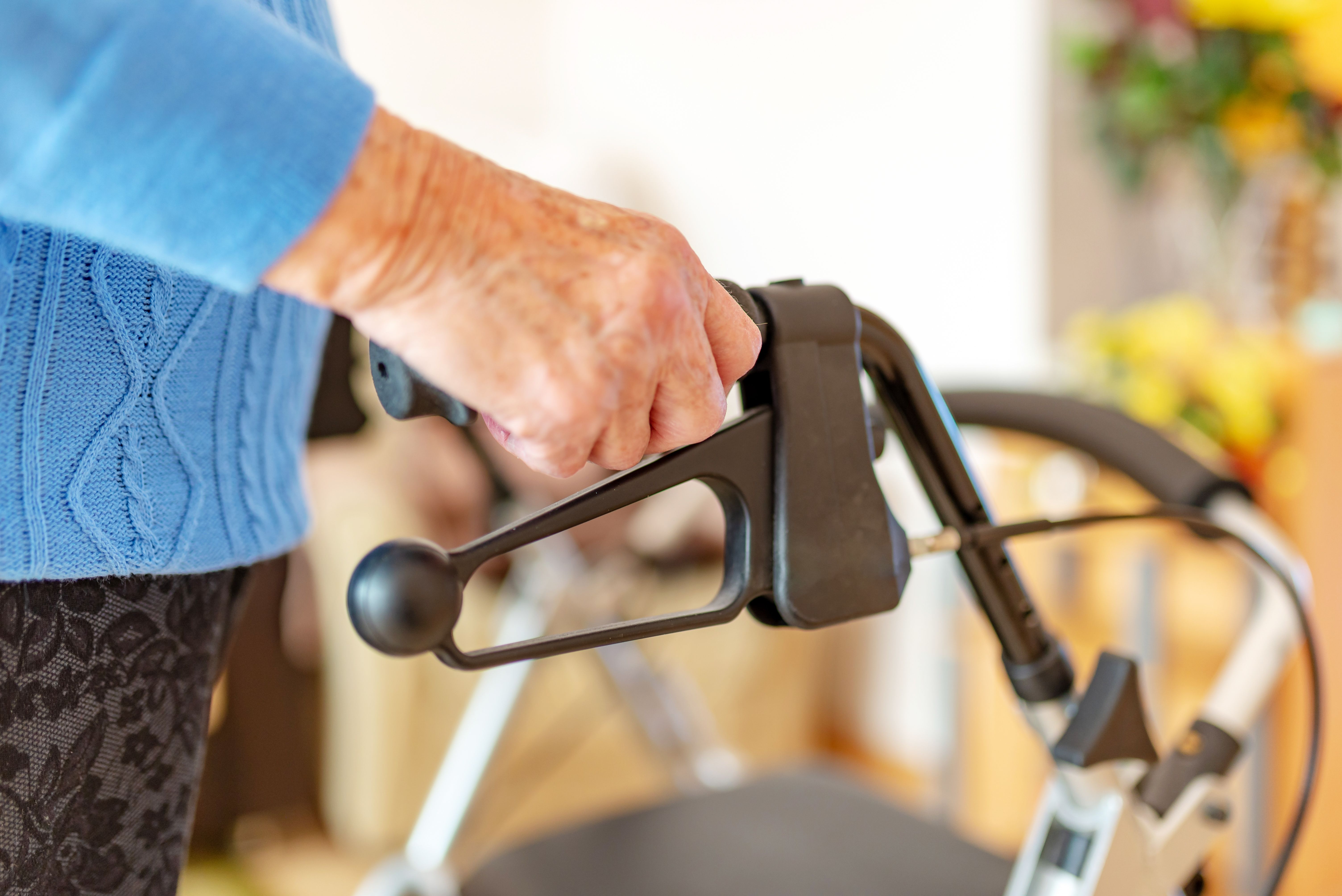
A rollator isn't a wheelchair, and that distinction matters when planning a cruise. Rollator widths vary by model, and fitting through a cabin doorway does not necessarily mean the device will be easy to maneuver inside. Before booking, measure your rollator at its widest point—including the wheels, brake cables, and accessories—and compare it with the cruise line’s published doorway limit and layout for your specific ship and cabin.
The core challenges rollator users face on cruise ships:
- Doorway clearance: Standard stateroom doorways vary by ship, often around 22–27 inches wide. A 24-inch rollator may have little clearance—or may not fit—so confirm your cabin’s usable doorway width before booking.
- Bathroom thresholds: Standard cabins may have a raised step into the bathroom and another lip at the shower entry. These thresholds can be several inches high, creating a tripping hazard and making rollator access difficult or impossible.
- Flooring and deck slopes: Carpet, doorway thresholds, corridor gradients, and sloped outdoor decks can increase rolling resistance or affect rollator stability, especially when the ship is underway.
- Sea motion: Even moderate ship movement can make a four-wheeled walker harder to control.
Planning around these specifics—not just checking a generic "accessible" box—is what separates a smooth cruise from a difficult one. For a broader look at cruising with mobility equipment, our guide on Cruising with Mobility Aids: Cabin & Ship Access Guide for Seniors covers the full spectrum of devices and ship features.
Minimum Cabin Doorway Widths by Cruise Line
Doorway width is the single most important measurement for rollator users evaluating a cabin. Standard stateroom doors across most major cruise lines fall in the 22–27 inch range. Accessible staterooms are a different story—they typically offer wider doorway clearances than standard cabins, but exact measurements vary by cruise line, ship, and cabin category.
| Cruise Line | Standard Door Width | Accessible Door Width |
|---|---|---|
| Royal Caribbean | ~23 inches | 32+ inches |
| Carnival Cruise Line | ~22–24 inches | 32+ inches |
| Norwegian Cruise Line | ~23 inches | 32+ inches |
| Celebrity Cruises | ~23 inches | 32+ inches |
| Holland America Line | ~22–24 inches | 32+ inches |
| Princess Cruises | ~23 inches | 32+ inches |
| Disney Cruise Line | ~22–24 inches | 32+ inches |
| MSC Cruises | ~22–24 inches | 32+ inches |
Pro Tip: Even if your rollator fits through a standard door, ask the cruise line for the interior turning radius of the bathroom. A 24-inch door may still be impractical if the bathroom is too narrow to maneuver inside.
Accessible cabins on Royal Caribbean ships, for example, also feature no doorsills, ramped bathroom entryways, and roll-in showers with benches and grab bars—features that matter as much as the door width itself.
Accessible Cabin vs. Standard Cabin: Rollator Fit
The difference between accessible and standard cabins goes well beyond the doorway. Square footage, furniture layout, and bathroom configuration all affect whether a rollator user can move through the space independently.
Standard Cabin (often 150–180 sq ft):
- Beds often positioned close together with minimal aisle space
- Bathroom door may open inward, blocking rollator entry
- No grab bars near toilet or in shower
- Raised shower thresholds may be difficult or impossible to cross with a rollator.
- Turning space inside bathroom is often under 36 inches
Accessible Cabin (often 250–350 sq ft):
- Wider aisles between furniture
- Bathroom door typically opens outward or slides
- Roll-in shower with fold-down bench and grab bars
- Ramped or threshold-free bathroom entry
- More maneuvering space inside the bathroom; confirm the exact turning space before booking.
- Lowered closet rods, peepholes, and light switches
For rollator users who can walk but need the walker for stability and rest, an accessible cabin isn't just a luxury—it's what makes the bathroom safely usable. In many standard cabins, rollator users may need to park the device outside the bathroom and move inside using available walls or fixtures for support.
Pro Tip: Accessible cabins are technically reserved for guests who need them, but they're not always fully booked. Call the cruise line's accessibility desk directly—not the general booking line—to confirm availability and request documentation if required.
Bathroom and Shower Setup for Rollator Users
The bathroom is where most rollator users encounter the biggest obstacles on a cruise ship. Even in accessible cabins, shower setups vary significantly by cruise line and ship.
What to look for in an accessible cabin bathroom:
- Roll-in shower: A zero-threshold or ramped entry that allows the rollator to enter partially, letting you transfer to the fold-down bench without stepping over a lip
- Fold-down bench: Wider laminated wood benches (found on lines like Holland America and Celebrity) are preferable to narrow vinyl-strap seats, which offer less transfer space
- Grab bar placement: Bars should be positioned beside the toilet and inside the shower on at least two walls
- Handheld showerhead: Essential for seated bathing; confirm it's included before booking
- Non-slip flooring: Confirm non-slip flooring and whether approved mats or bathing aids are available or allowed onboard.
What to avoid:
- Combination tub/shower units (common in standard cabins and some older accessible cabins)
- Shower curtains: Common in accessible cabins, but confirm drainage and water containment when seated.
Pro Tip: If shower traction is a concern, ask whether an approved non-slip mat, removable traction aid, or other bathing aid is available or allowed onboard. Even accessible showers can be slippery when wet, so confirm options before sailing.
Navigating Ship Corridors, Elevators, and Thresholds
Main ship corridors on modern vessels are generally wide enough for rollator use. However, narrow service areas, housekeeping carts, and busy traffic can reduce usable space and create friction points.
Corridors: The long hallways leading to staterooms are generally rollator-friendly, but carpet is common and adds rolling resistance. Firm-wheeled rollators (as opposed to soft-tire models) handle carpet better.
Elevators: Elevator size and doorway clearance vary by ship, but most large-ship elevators can accommodate a rollator. Expect tighter maneuvering during peak times near dining rooms, theaters, and gangways.
Thresholds: The most problematic areas are:
- Exterior deck doors: Often have raised thresholds to help prevent water ingress, which can be difficult to cross with a rollator.
- Tender gangways: Variable and often steep (covered separately below)
- Specialty restaurant entrances: Some venues may have raised thresholds or tight layouts; confirm step-free access and rollator storage before dining.
Pro Tip: On embarkation day, ask Guest Services or the accessibility team to identify the easiest accessible routes to the main dining room, pool deck, and other major venues. These routes may help you avoid raised thresholds, steep ramps, or difficult doorways.
Tender Ports: What Rollator Users Must Know
Tender ports—where the ship anchors offshore and passengers take small boats to reach land—are the single biggest accessibility barrier for rollator users. This is non-negotiable information before booking.
At tender ports, passengers board a small boat (tender) via a gangway that:
- Moves with wave action
- May involve a step, gap, or uneven transfer between the ship and tender, depending on the vessel, port setup, and sea conditions.
- May have limited or variable space for safely storing a rollator during the ride.
- Requires standing and balancing during transfer
Most cruise lines will not guarantee tender access for guests with mobility aids. The decision is made by the ship's captain based on sea conditions on the day of the call. Even in calm conditions, the physical transfer may not be possible for every rollator user. Crew assistance depends on cruise-line policy, port conditions, and whether the transfer can be completed safely.
What to do:
- Check your itinerary for tender ports before booking. Common tender ports include Santorini (Greece), Kotor (Montenegro), Catalina Island (California), and many smaller Caribbean stops.
- Call the cruise line's accessibility desk and ask specifically: "Can a rollator user board a tender independently or with assistance?"
- Have a backup plan for tender days—many guests with mobility aids enjoy a quiet ship while others go ashore.
Pro Tip: If Santorini is on your itinerary, note that even pier-access passengers face cobblestone streets and steep inclines. A tender port that's also a difficult terrain destination is worth skipping for rollator users.
Pool Deck and Dining Room Surface Hazards
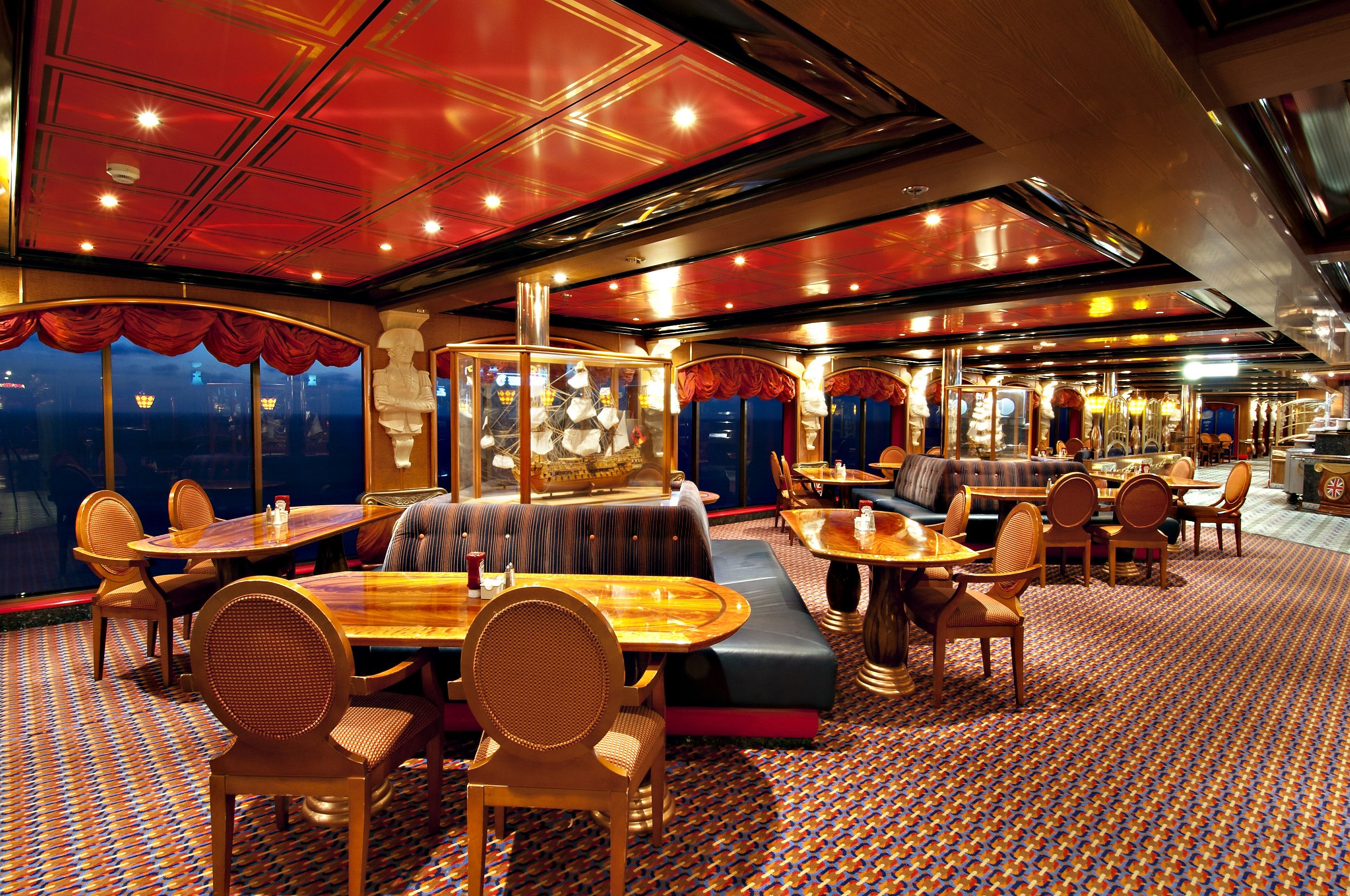
Beyond the cabin and corridors, two areas create consistent challenges for rollator users: pool decks and dining rooms.
Pool decks:
- Wet non-slip surfaces are standard but can still be slippery for rollator wheels, especially the small front casters
- Lounge chairs are often arranged tightly, leaving narrow pathways
- Teak or composite decking creates more rolling resistance than indoor flooring
- Outdoor decks can become unsafe for rollator users in rough weather. Avoid using a rollator on open decks when the ship is moving noticeably, decks are wet, or wind conditions make balance difficult.
Dining rooms:
- Main dining rooms typically have wide aisles, but assigned seating near the entrance reduces walking distance significantly—request this at embarkation
- Buffet areas, especially on the Lido deck, are often among the most congested spaces on the ship. Visit during quieter periods, such as early morning or later evening, and avoid peak meal times to reduce crowd pressure.
- Specialty restaurants may have tighter table spacing; call ahead to request an accessible table
| Location | Typical Surface | Rollator Challenge Level |
|---|---|---|
| Main corridor | Carpet | Low–Medium |
| Pool deck (dry) | Teak/composite | Medium |
| Pool deck (wet) | Non-slip tile | Medium–High |
| Main dining room | Carpet | Low |
| Lido buffet | Tile/non-slip | Low (surface), High (crowds) |
| Outdoor promenade | Teak | Medium |
| Specialty restaurant | Varies | Low–Medium |
Packing and Storing Your Rollator in a Small Cabin

Even in an accessible cabin, rollator storage requires planning. Most rollators fold to approximately 12 inches deep, but they're typically 24 inches wide and 30–36 inches tall when folded.
Storage strategies:
- Fold and stand upright against the wall beside the bed or inside the closet—this is the most space-efficient position
- Under the bed: Most cruise ship beds are raised 10–12 inches off the floor—not enough for a folded rollator, but sufficient for the seat bag and accessories
- Safe indoor storage: Store the rollator inside your cabin where it does not block the door, bathroom access, balcony access, or emergency exit route.
What to pack in your rollator bag:
- Approved non-slip mat or bathing aid
- Rollator strap or approved securing aid
- Built-in basket or approved storage pouch
- A waterproof seat cover for pool deck use
Pro Tip: If storage is a serious concern, consider renting a rollator through a service like Special Needs at Sea or Scootaround. Delivery and pickup options vary by port, ship, and provider, so confirm the device’s dimensions and where it can be safely stored in your cabin.
Booking Tips: Questions to Ask Your Cruise Line

Generic "accessible cabin" requests aren't enough. Ask specific questions—and get written confirmation.
Questions to ask the accessibility desk before booking:
- What is the exact door width (in inches) of the accessible cabin I'm booking?
- Does the bathroom have a roll-in shower or a tub/shower combo?
- Is the shower bench a fold-down laminate or a vinyl-strap seat?
- Are there grab bars beside the toilet and inside the shower?
- Does the cabin have any interior thresholds or lips at the bathroom entry?
- Which ports on this itinerary are tender ports?
- Can rollator users board tenders with crew assistance?
- Are there accessible shore excursions bookable through the cruise line?
Documentation tip: Notify the cruise line at booking and submit any required accessibility or mobility form by the line’s deadline. Some lines request at least 30 days’ notice, while others require more.
For a broader overview of how to choose and book the right cabin, see our guide on How To Choose a Room on a Cruise Ship.
Best Cruise Lines for Rollator Accessibility
Rankings are based on published accessibility features, cabin-layout details, and rollator-relevant planning factors; exact accessibility varies by ship and sailing.
| Rank | Cruise Line | Rollator Accessibility Highlights |
|---|---|---|
| 1 | Royal Caribbean | Published accessible-stateroom features include 32–34 inch doors on many ships, no doorsills, ramped bathroom thresholds, grab bars, and roll-in shower benches. |
| 2 | Holland America Line | Popular with older travelers; accessible cabin features and onboard support vary by ship, so confirm layout details before booking. |
| 3 | Celebrity Cruises | Modern fleet with consistent accessible cabin standards; wide corridors on Edge-class ships |
| 4 | Princess Cruises | Good accessible cabin inventory; MedallionClass app helps with navigation and service requests |
| 5 | Norwegian Cruise Line | Accessible cabins offer mobility-friendly features that vary by ship; Norwegian’s Freestyle Dining helps rollator users dine during less crowded off-peak times. |
| 6 | Carnival Cruise Line | Solid baseline accessibility; accessible transfers available from airport with advance notice |
| 7 | Disney Cruise Line | Excellent crew responsiveness; smaller fleet limits accessible cabin inventory |
| 8 | MSC Cruises | Improving, but European ships may have less consistent ADA-equivalent standards |
Pro Tip: For seniors considering longer voyages with a rollator, Holland America’s Alaska and Panama Canal itineraries may be worth comparing because many sailings include pier-access ports and longer port calls. Tendering can still vary by itinerary, port, and conditions, so confirm each port before booking. See our Best Panama Canal Cruise for Seniors guide for specific ship recommendations.
Key Takeaways
- Book an accessible cabin, not a standard one. The doorway width difference (22–24 inches vs. 32+ inches) and the roll-in shower are non-negotiable for comfortable rollator use.
- Tender ports are a real barrier. Check your itinerary before booking and have a plan for days when going ashore isn't feasible.
- Ask specific questions. "Accessible cabin" covers a wide range—get the exact door width, shower type, and bathroom threshold measurements in writing.
- Midship cabin placement reduces walking. Positioning near elevators minimizes the daily distance you need to cover on long ship corridors.
- Rental services reduce storage headaches. If packing a rollator for a small cabin feels overwhelming, onboard rental delivery may be a practical alternative—but confirm the device’s dimensions and storage space before booking.
Frequently Asked Questions
Q: Can I bring my rollator walker on a cruise ship?
Yes. Cruise lines permit rollators and walkers onboard, and most modern ships have wide enough corridors and elevators to accommodate them. The main challenge is cabin storage and bathroom access in standard staterooms, which is why accessible cabin booking is strongly recommended.
Q: Will my rollator fit through a standard cruise cabin door?
Most rollators measure 22–26 inches wide, and standard cruise cabin doors typically run 22–27 inches wide. While a rollator may technically fit, the clearance is minimal and maneuvering inside the cabin or bathroom is difficult. Accessible cabin doors are 32 inches or wider, providing comfortable passage.
Q: Do cruise lines charge extra for accessible cabins?
Accessible cabins are generally priced the same as comparable non-accessible cabins in the same category. They’re not a premium product—they’re a different configuration. Availability is limited and varies by ship and sailing, so booking early is essential.
Q: What happens at tender ports if I use a rollator?
Tender port access is not guaranteed for rollator users. The transfer from ship to tender involves a step and moving surfaces that can be unsafe. The captain makes the final call based on sea conditions. Contact the cruise line's accessibility desk before sailing to understand the specific tender process for each port on your itinerary.
Q: Can I rent a rollator instead of bringing my own on a cruise?
Yes. Services like Special Needs at Sea and Scootaround can deliver rental rollators to your embarkation port and retrieve them at voyage end, depending on the ship, port, and availability. This can reduce travel logistics and storage concerns, but confirm the rental device’s dimensions and where it can be safely stored in your cabin.
Q: Is cruising after a hip or knee replacement safe with a rollator?
Many guests cruise successfully after joint replacement using a rollator for stability. The key considerations are medical clearance, tender port limitations, and accessible cabin booking. Because recovery timelines vary, ask your surgeon when you can safely manage the full journey, including flights or long drives, embarkation, ship motion, and port walking. For detailed guidance, see our article on Cruising After Joint Replacement: What Seniors Must Know.
Fast Facts
- Best For: Rollator users who can walk independently but need stability support and rest points throughout the day
- Cabin Type: Accessible cabin with roll-in shower; request 32-inch+ door width confirmation in writing
- Best Cruise Lines: Royal Caribbean, Holland America, Celebrity Cruises
- Tender Port Risk: High—check every port on your itinerary before booking
- Best Itinerary Types: Pier-heavy Caribbean, Alaska, and Panama Canal itineraries—but confirm tender ports before booking.
- Rental Option: Special Needs at Sea or Scootaround; delivery availability varies by port, ship, and provider.
- Best Time to Book: 6–12 months in advance to secure accessible cabin inventory
- Top Resource: Call the cruise line's dedicated accessibility desk, not the general booking line